An osteopath is a special kind of doctor for your body. They help people feel better when their bones, muscles, or joints hurt. To do this, they need many skills required for osteopaths. Think of them like body detectives. They look for clues to see why a person is in pain. At a clinic like Osteopath Ashford, these experts use their hands and their brains to fix problems. They do not just look at one spot. They look at the whole person. This makes their work very special and helpful for everyone.
Palpation and Touch Sensitivity
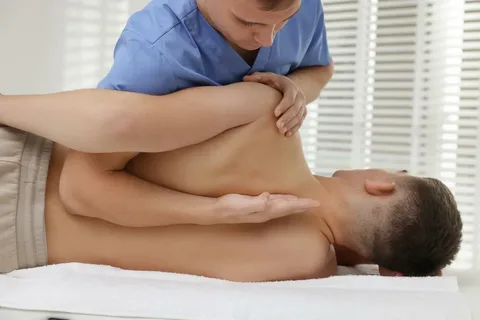
Palpation is a big word that means feeling with hands. Osteopaths have very smart fingers. They can feel things under your skin that most people cannot. They look for tight muscles or bones that are not in the right place. This hands-on manipulation techniques start with a very gentle touch. It is like they are reading a book with their fingertips. By feeling the body, they know exactly where it needs help. Their hands are their most important tools for finding and fixing owdies.
Manual Therapy Techniques
Osteopaths use osteopathy treatment techniques to help the body move better. This is called manual therapy. It means they use their hands to move your body in special ways. Sometimes they stretch a muscle. Other times they move a joint very carefully. These osteopathic manual therapy methods are designed to be safe and helpful. It is not like magic, but it can feel like it! By moving the body parts, they help the blood flow better. This helps the body heal itself much faster.
Clinical Assessment and Diagnosis
Before they start fixing things, they have to find out what is wrong. This is called patient assessment in osteopathy. The osteopath will ask many questions. They want to know where it hurts and when it started. They use osteopathic diagnostic skills to solve the puzzle. They might ask you to bend over or lift your arm. This helps them see how your body works. Once they know the problem, they can make a plan to make you feel great again.
Knowledge of Anatomy and Physiology
To be a good osteopath, you have to know everything about the human body. They study for a long time to learn about every bone and muscle. This helps them understand musculoskeletal treatment skills. If your neck hurts, they know which tiny muscle is causing the trouble. They understand how the heart, lungs, and stomach all work together with your bones. Because they know how the body is built, they can fix it without using any scary machines or medicine.
Postural Analysis Skills
Have you ever been told to sit up straight ? Osteopaths look at how you sit and stand. This is part of the physical examination techniques osteopaths use. They look to see if your shoulders are level or if your back is curved. Bad posture can make your muscles very tired and sore. By looking at how you carry your body, they can tell why you have pain. They teach you how to stand tall like a superhero so your body stays strong and happy.
Joint Mobilisation and Manipulation
Sometimes joints get stuck and do not want to move. Osteopaths use special moves to get them going again. This might involve a quick, gentle push or a slow stretch. They are experts at making sure your joints glide smoothly. This is one of the most famous soft tissue manipulation methods they use. When your joints move well, you can run, jump, and play without any trouble. It helps the body stay flexible and keeps the rust away from your bones.
Soft Tissue Treatment Techniques
Your body is not just bones; it is full of soft stuff like muscles. Osteopaths use massage-like moves to relax these parts. This is a big part of their holistic healthcare approach osteopathy. If a muscle is too tight, it pulls on the bones and hurts. The osteopath will press and rub the muscle until it lets go. This feels very relaxing. It helps get rid of knots in your shoulders or legs. By fixing the soft parts, the hard parts (the bones) can stay in the right place.
Patient Communication Skills
Osteopaths are very good at talking and listening. They explain things in a way that is easy to understand. They want you to feel safe and comfortable. Good communication is a key skill. They listen to your stories about how you got hurt. They also explain what they are doing with their hands so you are never surprised. When a doctor and a patient talk well together, the healing happens much better. They are friendly helpers who care about how you feel.
Pain Management Strategies
Nobody likes being in pain. Osteopaths have many tricks to help the pain go away. They don’t just use their hands; they give you advice. They might tell you to use a warm pack or a cold pack. They teach you how to rest properly. These strategies help you feel better even when you are at home. Their goal is to make the “ouch” disappear as quickly as possible. They help your brain and body relax so you can get back to having fun.
Rehabilitation and Exercise Guidance
After the treatment, the work is not finished! The osteopath will give you “homework.” These are usually easy exercises or stretches. Doing these movements helps your muscles stay strong. It prevents the pain from coming back again. They show you exactly how to do them so you don’t get hurt. Think of it like training for your body. If you follow their guide, your body becomes like a well-oiled machine that is ready for anything.
Holistic Treatment Approach
Holistic is a fancy word that means looking at the whole thing. Osteopaths don’t just look at your sore toe. They look at your whole life! They ask about your sleep, your food, and how much you exercise. They know that if you are stressed, your body might hurt more. By looking at everything, they find the real reason you feel bad. This approach makes sure they treat the cause of the problem, not just the symptom. It is a very kind way to take care of people.
Treatment Planning and Adaptability
Every person is different. A tall person and a short person might need different help. An osteopath is very good at changing their plan to fit you. If one move doesn’t work, they try another one. They are very flexible thinkers. They make a special map for your healing journey. As you get better, they change the map to keep you moving forward. This adaptability ensures that everyone gets the perfect care for their own unique body.