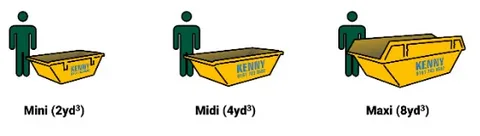
Choosing a Midi Skip Hire is a great way to clean your home. These skips are medium-sized. They hold a lot of rubbish. But you cannot put everything inside them. Some items are dangerous. Other items hurt the Earth. If you put the wrong things in, the driver might not take your skip. You might even have to pay a fine. It is important to know the rules before you start. This guide helps you understand what stays out. We want to keep everyone safe and keep the world clean. Let’s look at what items are not allowed.
Hazardous Waste Materials
Hazardous waste is very nasty stuff. It can make people sick. It can also hurt animals. You must follow toxic waste handling rules for these items. Do not put old medicines or bug spray in the skip. These things need a special bin. Most skip companies say no to hazardous waste. It is too risky to mix with normal trash. Always ask your local council how to get rid of these safely. They have special places for things that are poisonous. Keeping these out of skips keeps our water and soil healthy.
Electrical and Electronic Equipment (WEEE)
WEEE stands for old electronics. This includes things like broken toys with wires. It also means old computers and lamps. These items have metal and glass inside. Sometimes they have tiny bits of lead or mercury. You cannot throw them in a midi skip. They must go to a recycling center. Many shops will take back your old gadgets for free. Recycling electronics helps save metal. It also stops bad chemicals from leaking into the ground. Always check for the crossed-out wheelie bin symbol on your electronics.
Asbestos and Toxic Substances
Asbestos is a very old building material. It is very dangerous if it breaks into dust. You must follow asbestos disposal restrictions strictly. Never put asbestos in a skip. It can hurt your lungs if you breathe it in. If you find grey, wavy roofing sheets, leave them alone. Call a pro to take them away. Other toxic substances like lead pipes are also banned. These items need special bags and a special truck. Safety is the most important thing when dealing with these old materials.
Paints, Solvents, and Chemicals
You might have old paint cans in your shed. Do not put them in the skip! Even if they are dry, they can be a problem. You should follow paint and solvent disposal guidelines for your area. Wet paint can leak and make a big mess on the road. Chemicals like bleach or thinners are also not allowed. There are strict chemical waste disposal rules to prevent fires or spills. Many recycling centers have a special “paint drop-off” spot. This is much better for the environment than putting it in a skip.
Gas Cylinders and Pressurized Containers
Gas cylinders are very scary in a skip. They can explode if they get squashed. This is why gas cylinder disposal safety is so important. Even if the bottle feels empty, it might still have gas inside. This includes camping gas and big orange bottles for heaters. Fire extinguishers are also pressurized and not allowed. These items are usually owned by the gas company. You should take them back to the shop where you bought them. They will refill them or recycle the metal safely.
Batteries and Car Batteries
Small batteries for toys and big car batteries are both banned. You must follow battery recycling regulations. Batteries can leak acid. They can also start fires when they get bumped around. Most grocery stores have a small box for AA or AAA batteries. For big car batteries, take them to a garage or a scrap yard. They are full of lead and acid that can be recycled. Never throw any kind of battery in a midi skip. It is a big fire risk for the skip truck.
Tyres and Rubber Waste
Old car tyres are hard to get rid of. They take up a lot of room in a skip. They also do not break down for a long time. Skip companies do not want them because they are hard to recycle. If you have old tires, take them to a tyre shop. They usually charge a small fee to take them away. Sometimes, old tires are turned into soft playground floors! Using a skip for tires is not allowed. It is better to give them to people who know how to reuse the rubber.
Flammable Materials
Flammable items catch fire very easily. This is a huge danger. You must follow flammable liquid disposal regulations. Never put petrol, diesel, or lighter fluid in a skip. Even wood that is soaked in oil can be a problem. If a spark hits these items, the whole skip could go up in flames. This is dangerous for your house and the driver. Always keep liquids in their original bottles. Take them to a special waste site. Keeping fire-starters out of skips keeps your neighborhood safe.
Plasterboard and Gypsum Waste
Plasterboard is used to make walls in houses. When it gets wet in a skip, it smells like rotten eggs. This gas is bad for people and the air. Because of this, plasterboard must be kept separate. You cannot mix it with other waste in a midi skip. Some companies provide a special “plasterboard bag.” This keeps the gypsum waste away from other trash. Always tell your skip company if you have old walls to throw away. They will tell you how to do it the right way.
Oils, Fuels, and Liquids
Skips are made for solid things, not liquids. Cooking oil and motor oil are not allowed. If oil leaks out of the skip, it makes the road slippery and dangerous. It also ruins the other trash so it cannot be recycled. Fuels like petrol are also a big “no.” If you have old cooking oil, some places turn it into fuel for buses! For motor oil, take it to a local tip in a sealed bottle. Keeping liquids out of skips prevents messy spills and protects our local drains.
Large Appliances and White Goods
White goods are things like fridges, freezers, and washing machines. Fridges are extra tricky. They have special gas inside that keeps food cold. This gas can hurt the ozone layer in the sky. Because of this, you cannot put a fridge in a midi skip. Washing machines are very heavy and can tip the skip over. Most councils will come to your house to pick up these big machines. You can also give them to charity if they still work. This is a much better way to say goodbye to old appliances.