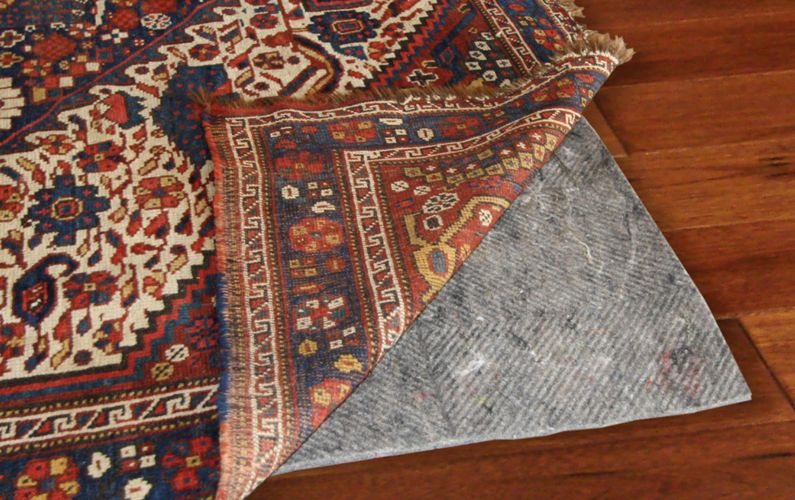
Many people ask, “Do I need a rug pad?” The short answer is yes. A rug pad is a thin layer that goes under your rug. It stays hidden, but it does a very big job. Imagine wearing shoes without socks. It might feel okay for a minute, but soon your feet get sore. A rug pad is like a soft sock for your rug. It helps the rug stay in place and feel better. Without one, your rug might slide around like a toy car on ice. This can be dangerous for kids and pets.
A rug pad also keeps your floor safe. Rugs can be rough on the bottom. If they move back and forth, they can scratch the wood or tile. A pad acts as a shield. It stops the scratching before it even starts. It also makes the rug feel much softer when you walk on it. Even a thin rug can feel like a fluffy cloud with the right pad underneath. It is a small thing that makes a huge difference in your home.
What Is a Rug Pad?
A rug pad is a special mat. You place it directly on the floor. Then, you put your rug on top of it. It is usually made of rubber, felt, or a mix of both. Some look like a mesh net with lots of tiny holes. Others look like a solid piece of soft fabric. The main goal of this mat is to provide grip. It sticks to the floor and grabs the rug at the same time. This keeps everything from moving.
Think of it as a secret helper. You do not see it, but you can feel it. Some rug pads are very thin to keep rugs low to the ground. Others are thick to make the floor feel squishy and nice. If you are looking for rug pads near me, you will find many different styles. Each style is made for a different reason. Some are for hard floors, and some are for rugs that sit on top of carpets. No matter the type, they all work to keep your home safe and your rugs looking brand new.
Do You Really Need a Rug Pad?
You might think your rug is fine on its own. It looks pretty and covers the floor. But do you really need a pad? Yes, you do. Without a pad, a rug can be a “trip hazard.” This means you might trip and fall. Rugs love to bunch up or slide when you walk on them. This is very scary if you are running or carrying something heavy. A pad locks the rug to the floor so it stays flat and still.
Also, rugs can be very expensive. You want them to last a long time. Dirt and tiny rocks get trapped under rugs. When you walk on the rug, these rocks grind against the floor. This ruins the rug and the floor. A pad catches that dirt and stops the grinding. It also lets air flow under the rug. This keeps the rug fresh and prevents smells. Even if your rug is huge, like a 9 x 12 rug pad size, it still needs that extra layer of protection to stay beautiful.
Benefits of Using a Rug Pad
There are so many good reasons to use a rug pad. First, it makes your home safer. No more sliding rugs! Second, it protects your floor from scratches. Third, it makes your rug last much longer. Rugs stay strong when they do not rub against the hard ground. Fourth, it adds a lot of comfort. Your feet will love the extra cushion. It feels like walking on a soft pillow instead of a hard board.
Another great benefit is noise control. If you live in an apartment, neighbors downstairs might hear your footsteps. A rug pad soaks up the sound. It makes the room quiet and peaceful. It also helps with heat. In the winter, a thick pad keeps the floor from feeling too cold. It traps warmth in the room. Finally, it makes cleaning easier. When you vacuum, the rug stays still. You can suck up all the dust without the rug getting sucked into the machine.
Rug Pad vs. No Rug Pad
Let’s look at the difference. With a rug pad, your rug stays perfectly straight. It looks neat and tidy every day. Your floor stays shiny and new. When you walk, it feels soft and quiet. You feel safe because the rug will not move. It is easy to vacuum, and the rug stays in one piece for many years. It is a great way to take care of your house.
Without a rug pad, things are different. The rug might slide when you step on it. It can get “wrinkles” or bumps that look messy. These bumps can make you trip. The bottom of the rug will rub against the floor. This can leave marks that are hard to fix. The rug might also wear out faster. The fibers get crushed between your feet and the hard floor. It feels thin and not very cozy. Most people find that a rug without a pad is a lot more work and more stress.
How Rug Pads Protect Floors
Floors are very important parts of a house. They can be made of wood, tile, or stone. These materials can get hurt easily. Many rugs have a back that is scratchy like sandpaper. Every time you walk on the rug, it moves a tiny bit. This movement scratches the finish on your floor. Over time, the floor looks dull and ugly. A rug pad is soft. It sits between the rug and the floor to stop the scratching.
Some rugs also have dyes that can leak. If the floor gets a little wet, the color from the rug might stain your wood. A good rug pad acts as a wall. It stops the color from touching the floor. It also blocks spills. If you drop water, the pad can help soak it up so it does not sit on the wood and cause rot. Using a pad is the best way to keep your floors looking like they were just put in.
How Rug Pads Prevent Slipping
Slipping is a big problem with rugs. Small rugs in halls or near doors are the worst. They like to “scoot” across the floor. This can happen when you walk fast or when a dog runs by. A rug pad has a “non-slip” surface. This means it is sticky, but not like glue. It uses friction to hold the floor. It is like the bottom of a sneaker that helps you run without falling.
When the rug stays still, everyone is safer. Little kids can play without the rug sliding out from under them. Grandparents can walk safely without worrying about a fall. It also keeps the rug from bunching up. A bunched-up rug is like a hidden speed bump. It is very easy to catch your toe on it. A pad keeps the rug stretched out flat and tight. This makes every room in your house a safer place to be.
Can a Rug Pad Extend Rug Life?
Yes, it really can! A rug is made of many tiny threads. When you walk on a rug that is on a hard floor, those threads get squished very hard. It is like hitting them with a hammer. This makes the threads break or turn flat. A rug pad acts like a spring. When you step down, the pad pushes back. This protects the threads and keeps them fluffy.
A pad also helps with dirt. Dirt is sharp like tiny glass. It hides at the bottom of the rug. When people walk on the rug, the dirt cuts the rug fibers. Rug pads have tiny holes that let the dirt fall through or get vacuumed up easily. This means the rug stays clean and strong. By using a pad, you might keep your favorite rug for ten years instead of only five. It saves you money in the long run.
Do Rug Pads Add Comfort?
They definitely do! Walking on a hard floor can hurt your legs and back after a while. A rug by itself helps a little bit. But a rug with a thick pad feels amazing. It gives your feet a soft place to land. It is great for rooms where you stand a lot, like the kitchen. It is also perfect for the living room where kids might sit on the floor to play with toys.
There are different levels of comfort. Some pads are made of “memory foam.” This is the same stuff used in nice pillows. It remembers the shape of your foot. Other pads are made of thick felt. This feels firm but very soft. If you want your home to feel cozy and warm, adding a thick pad is the easiest way to do it. It turns a regular room into a very comfy space for the whole family.
Are Rug Pads Necessary on Hardwood Floors?
Hardwood floors are beautiful, but they are also very sensitive. They can scratch or dent easily. This is why a rug pad is a must-have for wood floors. But you must be careful! Some cheap plastic pads have chemicals in them. These chemicals can react with the wood finish and leave a permanent stain. This is called “off-gassing.” It can make your beautiful floor look cloudy or yellow.
For hardwood, you should use pads made of natural rubber or felt. These materials are safe. They do not stick to the floor or ruin the paint. They provide a soft cushion that prevents the rug’s back from acting like sandpaper. If you have spent a lot of money on your wood floors, a good rug pad is like an insurance policy. it keeps the wood safe so it stays shiny for a very long time.
Do You Need a Rug Pad on Carpet?
You might think, “I already have soft carpet, why do I need a pad?” Actually, putting a rug on top of a carpet can be tricky. Rugs like to “crawl” on carpets. This means they move slowly in one direction as you walk on them. This creates big lumps. A rug on a carpet also gets worn out fast because the two fabrics rub against each other. This creates “carpet fuzz” and ruins both items.
There are special rug pads made just for this. They are often called “carpet-to-carpet” pads. They have a special sticky surface on both sides. One side grabs the bottom carpet, and the other side grabs the rug. This stops the crawling. It keeps the rug flat and prevents it from stretching out of shape. Even on a soft surface, a pad is the secret to keeping your decor looking perfect and staying in place.
Best Rug Pads for Different Floor Types
Not all floors are the same. For tile or stone, you want a pad that has a lot of grip. Tile can be very slippery. A rubber pad is usually the best choice here. It sticks well even if the floor gets a little bit of moisture. For hardwood, as we learned, natural rubber or felt is best to avoid stains. These materials breathe well and protect the wood.
If you have laminate floors, stay away from cheap plastic. Laminate can also get stained by bad pads. Look for pads labeled “safe for all floors.” If you are putting a rug in a basement with a concrete floor, you might want a pad that blocks moisture. These are thicker and help keep the rug dry and warm. Choosing the right pad for your specific floor ensures that both the floor and the rug stay in great shape.
How to Choose the Right Rug Pad
Choosing a pad is easy if you know what you want. First, think about the room. Is it a hallway? You need high grip. Is it a bedroom? You want high comfort. Second, look at your floor type. Pick a material that is safe for wood, tile, or carpet. Third, think about the thickness. A door needs to be able to swing over the rug. If the pad is too thick, the door will get stuck!
Always measure your rug before you buy a pad. The pad should be a little bit smaller than the rug. This way, the edges of the rug taper down to the floor. It looks better and prevents you from tripping on the edge of the pad. If you find a pad you like but it is too big, don’t worry. Most pads are very easy to cut with a pair of kitchen scissors. You can trim it to the perfect size at home.
Signs You Need a Rug Pad
How do you know if it is time to get a pad? There are a few easy signs. Does your rug move when you step on it? That is the biggest sign. Do you have to straighten the rug every single day? That means it needs more grip. If you lift up the corner of your rug and see scratches or dust on the floor, you need a pad right away. The dust is actually the floor or rug being ground down!
Another sign is if the rug feels “dead” or flat. If it is not squishy anymore, a pad can bring it back to life. Also, check for “buckling.” This is when the rug has waves or bumps that won’t go away. This happens because the rug is stretching. A pad will hold it tight and keep it flat. If you hear a “slapping” sound when you walk on the rug, it means there is air trapped underneath. A pad will fix that too.
Common Problems Without a Rug Pad
Without a rug pad, life can be a bit messy. One big problem is “dye transfer.” This is when the color of the rug moves onto the floor. This can happen on light-colored carpets or expensive wood. It is almost impossible to clean. Another problem is “floor rot.” If you spill a drink, it can get trapped between the rug and the floor. Without a pad to let air in, the water stays there and ruins the floor.
You might also see “fiber loss.” This is when the rug starts losing its hair. This happens because the rug is being crushed against the hard floor. Some people also notice their rugs getting holes. This is from the constant moving and rubbing. Finally, the most common problem is accidents. Slipping on a rug can cause bad hurts. A rug pad is a very cheap way to stop all these big problems from happening.
Types of Rug Pads Explained
There are three main types of rug pads. The first is Rubber. Natural rubber is great for grip. It is eco-friendly and does not smell bad. It is perfect for thin rugs that slide easily. The second is Felt. Felt pads are made of recycled cloth. They are very soft and thick. They don’t grip as well as rubber, but they make the rug feel like a cloud. They are best for large rugs that stay in place because of their weight.
The third type is a Hybrid. This is a mix of felt and rubber. It is the best of both worlds! It has a rubber bottom to stop sliding and a felt top to add comfort. These are the most popular because they do everything well. There is also Memory Foam, which is the softest type. It is great for kids’ rooms where people spend a lot of time sitting on the ground.
How Thick Should a Rug Pad Be?
Thickness is a personal choice, but there are some rules. If your rug is in a place where doors open, keep it thin. A $1/8$ inch pad is usually perfect. It provides grip without being too high. If you want maximum comfort in a living room, you can go up to $1/4$ or even $1/2$ inch. This makes the rug feel very luxurious.
However, be careful with very thick pads under thin rugs. It can make the rug look “puffy” or strange. Also, very thick pads can be a little bit harder to vacuum because the rug moves up and down. For most homes, a medium thickness is best. It gives you a bit of soft feeling while keeping the rug stable and safe. Always check the “clearance” of your doors before you buy the thickest one!
Rug Pad Sizing Guide
Getting the size right is very important. A rug pad should be about one inch smaller than the rug on all sides. For example, if you have a 5 x 8 rug, your pad should be 4 feet 10 inches by 7 feet 10 inches. Why? Because you want the edges of the rug to touch the floor. This prevents the “curling” of the rug corners. It also makes the pad invisible so no one sees it.
If you have a giant rug, like a 9 x 12 rug pad, you might need to tape two pads together. That is okay! Just make sure they don’t overlap, or you will have a big bump in the middle. Most rug pads are sold in standard sizes. If you can’t find the exact size, always buy one size larger. You can easily trim the extra material with scissors. It is better to have a pad that is too big than one that is too small.
How to Clean and Maintain a Rug Pad
Rug pads need a little love too! Every few months, you should lift the rug and vacuum the pad. This removes the dust that falls through the rug. If the pad is rubber, you can wipe it down with a damp cloth and a little bit of soap. Make sure it is completely dry before you put the rug back. If it stays wet, it might smell or hurt your floor.
Felt pads can be vacuumed just like a rug. If you spill something big on a felt pad, you might need to spot-clean it with a mild cleaner. Never put a rug pad in the washing machine unless the tag says it is okay. Most pads will fall apart in a machine. If you take care of your pad, it can last for 10 to 15 years. It is a very sturdy helper for your home.
Mistakes to Avoid When Buying a Rug Pad
One big mistake is buying a cheap plastic pad for a nice wood floor. As we said, this can leave marks. Another mistake is buying a pad that is the exact same size as the rug. If the pad sticks out, it looks bad and you might trip on it. Always remember to trim it down. Also, don’t forget to check the material. Some people buy felt pads for small rugs, but then the rug still slides! Small rugs always need rubber for grip.
Another mistake is using the wrong pad for “radiant heat” floors. These are floors that get warm from underneath. Some rug pads can melt or block the heat. If you have heated floors, look for a pad that is “heat safe.” Lastly, don’t skip the pad just to save a few dollars. Replacing a ruined floor or a torn rug costs much more than a simple pad.
Frequently Asked Questions About Rug Pads
Can I use a rug pad on vinyl floors?
Yes, but you must use a “non-staining” pad. Look for felt or natural rubber. Avoid cheap plastic.
Do rug pads help with noise?
Yes! They are great at muffling the sound of footsteps and dropped toys.
How often should I replace my rug pad?
Usually every 10 years, or if it stops being sticky.
Can I use tape instead of a pad?
Tape can leave a sticky mess on your floor. A pad is much cleaner and better for the rug.
Do all rugs need pads?
Almost all do. Even heavy rugs can slide a little bit or scratch the floor over time.
Conclusion
In the end, asking “do i need a rug pad” leads to a very clear answer. Yes! It is the best way to protect your home. It keeps your family safe from trips and falls. It keeps your expensive floors looking like new. It also makes your rugs last much longer and feel much softer. Whether you have a small mat or a huge 9 x 12 rug pad, the benefits are the same.
If you are looking for rug pads near me, take a moment to pick the right one for your floor type. Choose rubber for grip, felt for soft comfort, or a mix of both. It is a small investment that pays off every time you walk across the room. Your feet will be happy, your floors will be safe, and your home will be much more peaceful. A rug pad truly is a secret hero for every house.