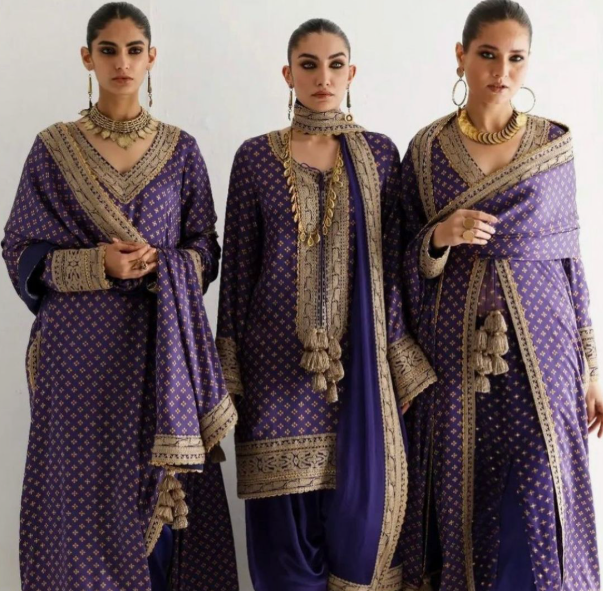
India is renowned throughout the world for its wide variety of embroidered designs, which come from many states and areas and raise the bar for clothing. Our culture and history are deeply ingrained with the traditional art form of embroidery, which dates back to the Indus Valley civilisation. It also symbolises the various cultures that are dispersed throughout India. Needlework has been a means to celebrate our artistry and heritage for centuries. Embroidery holds old stories that have been handed down through the years, and it has been a way of life for its own artisans and craftsmen all over our country, earning them their livelihood. Embroidery is one of the important parts of embroidery design in Indian culture. It has been developed over the years by various cultures of the country. Let’s learn about the various embroidery styles and the techniques commonly used in India, and how they are part of our traditions and culture. The different forms of embroidery that exist in India.
Indian embroidery, or Indian Outfits UK styles, have their own unique techniques, motifs, and designs for each region. There are many types and styles of embroidery in India, such as the detailed Kantha of West Bengal, Phulkari of Punjab in colourways, etc.
We have a fantastically wide range of styles of needlework with their associated techniques and characteristics. So now it’s time for a show and tell of some of the most popular embroidery styles:
The Chikankari
The elegant art is believed to have been introduced in India by Noor Jehan, who was the wife of Emperor Jahangir. In India, grace and elegance are associated with the hairstyle centres, Lucknow being one of the well-known hair style practising regions in India. The Chikankari style includes about 40 stitches, of which about 30 are still in use today. These stitches consist of embossed stitches, openwork zaal, and flat stitches.
Kantha
The historical art style originated in rural areas of Bengal and Odisha and evolved into a highly esteemed technique known for intricate patterns and motifs, creating an engrossing visual effect. When combined together, usually with the use of a base stitch such as satin thread, running stitch, or darning stitch, patterns or motifs are created.
The Phulkari
This is an old art recognized for its detailed, elaborate designs with various colors and motifs. The technique involves intricate patterns and designs, created with sparkling threads on garments. Flower embroidery is one common embroidery that is embroidered on the tunics (or salwar kameezes) for the purpose of decoration, and the other embroidery, known as net embroidery, is used for embroidering on kurtas and sarees.
Zardozi
Developed in the 16th century, there were many opportunities for the use of this embroidery technique in the manufacturing of luxury articles like luxurious clothes for schools, schoolroom furnishings, furs and carpets, fashioning of precious gold or silver thread. The complex and detailed designs create beautiful and durable fabrics for outfits that add a touch of glamour. It takes a great deal of skill and work on the part of the craftsman to create designs using this method. It can take several hours or even days to make just one piece of zardozi.
Aari
The hooked, sharp needle employed in this method is the source of the embroidery form’s name. Colourful cotton or silk pat threads with a variety of ornamentation in geometric or floral patterns are used in Rajasthan and Gujarat. Aari is highly stylised in Haryana and Uttar Pradesh, where it is performed with intricate decorations like stone work or zari threads.
Gota
Zari threads used in this popular art form can be gold-plated, made of copper or silver, and dipped in either colour. Although it was once thought of as a sign of luxury, it is now more reasonably priced and can be seen in wedding and holiday attire. Gota is a difficult process that takes expert craftspeople eight to nine hours or an entire day to create a single pattern.
Mirrorwork or Shisha
Introduced in India in the 17th century, this exquisite and detailed art form gives gowns and accessories a glossy, sparkling appearance. Using a variety of stitching and techniques, artisans affix tiny mirrors or reflective bits. Mirrors’ reflected properties add a whimsical touch to the ensemble’s appearance by dispersing light as the wearer walks. Mirrorwork has always been used to adorn and glamorise royal garb. The ancient method has been updated to suit modern preferences by fusing innovation and tradition.
Indian handicraft and sustainability in the future
The Future of Indian Craftsmanship and Sustainability
India’s traditional handcrafted clothing methods are in high demand internationally. These indigenous skills are particularly used by the nation’s high-end fashion firms to create their exquisite creations. Because these clothes have a long shelf life and maintain their elegance over time, this is also a step in the direction of sustainable fashion. The resurrection of these methods protects cultural heritage while promoting economic development in local communities by utilising traditional methods and assisting regional craftspeople.
Conclusion
In Indian fashion, hand embroidery is a celebration of workmanship, culture, and tradition rather than merely a decorative element. It takes the utmost patience to create a gorgeous garment that embodies generations of expertise and understanding. Each piece narrates an ancient tale.